
While previous AI Art Generators merely skirted the edges of "likeness," openai has now driven a stake directly into the heart of Professional design. With capabilities ranging from precise typography and multilingual text generation to UI rendering and seamless editing, the landscape of visual creation has fundamentally changed.
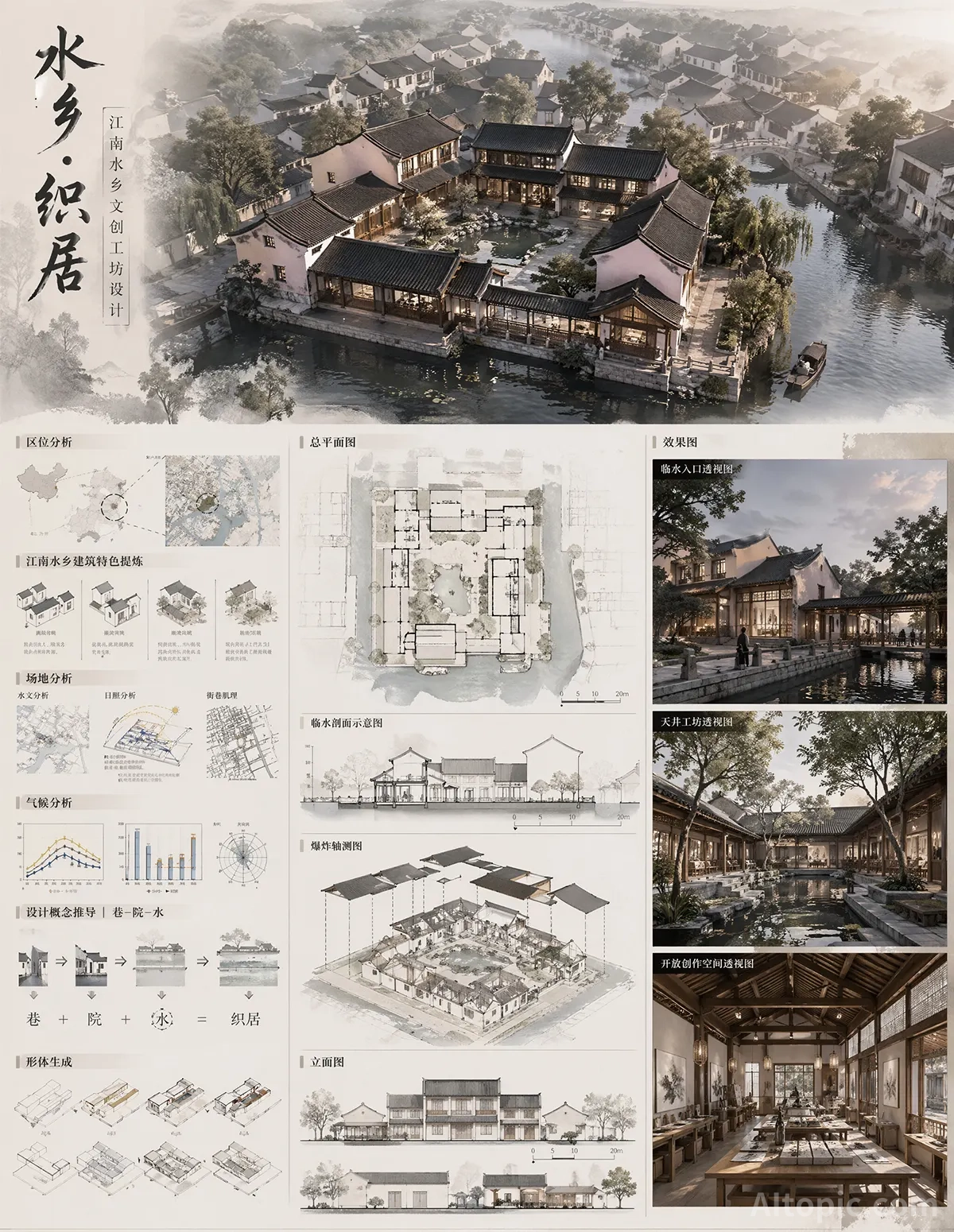
💡 Core Highlights: Why GPT Image 2 is a Game Changer
1. Pixel-Perfect text rendering
Accuracy: Correct spelling and consistent spacing.
Coherence: Even complex, multi-line long text remains highly legible and logically structured.
2. An Image Engine with "Thinking" Capabilities
Autonomous Research: It can search the web for real-time background Information (knowledge cutoff: December 2025) and perform logical reasoning.
Narrative Consistency: Users can input a macro concept, and the model can generate up to 8 images with narrative coherence in a single go.
3. Mastery of Multilingualism & Cross-Culture
Native Integration: It doesn't just slap a translation label on an image; it treats foreign typography as an integral part of the overall design layout.
4. 4K Resolution & Extreme Aspect Ratios
⚔️ The Clash of Titans: GPT Image 2 vs. Google Nano banana
In the AI Image Arena, google remains a formidable giant. Nano Banana (officially Gemini 3 Flash Image, now iterated to Nano Banana 2) has long been an industry benchmark. How do they compare?
| Feature | GPT Image 2 | Google Nano Banana 2 |
|---|---|---|
| Best Use Case | Marketing long-images, UI wireframes, precise text. | Complex scene fusion, material fidelity. |
| Text Rendering | King. Accurate, bilingual, advanced typography. | Good, but struggles with dense text. |
| Scene Logic | Excellent for layout and information structure. | Superior for "Cyberpunk" style fusion & material accuracy. |
The Verdict: If you need to fuse three products into a cyberpunk scene while maintaining material accuracy, Nano Banana 2 is your choice. However, if you need a marketing infographic with precise bilingual copy and high-end layout, GPT Image 2 is the undisputed champion.
🏗️ Industry Earthquake: Scenarios Rewritten
1. e-commerce: From "Sample Shooting" to "One-Click Generation"
Reshaping Photoshoots: Traditional photography involves high costs for models and venues. GPT Image 2 can generate lifestyle scenes with realistic lighting based on product prototypes, keeping brand logos and specs on packAGIng perfectly legible.
Marketing Automation: During high-frequency sales events (like Black Friday or Double 11), merchants can generate thousands of Banners with accurate discount prices and copy instantly, moving from "generating images" to "delivering final assets."
2. UI/UX Design & Product Development
Sketch to High-Fidelity: Product managers can input functional descriptions to generate high-fidelity UI screenshots or wireframes complete with real text and button states.
Efficiency Leap: This drastically shortens the R&D cycle from concept to prototype, signaling the rise of autonomous AI agents in interACTion design.
3. Global Marketing & Advertising (4A Agencies)
The End of Manual Typesetting: Global campaigns previously required massive teams to adapt languages. With native multilingual support, marketers can now generate 4K ad creatives tailored for global social platforms in minutes, disrupting traditional localization pipelines.
4. Publishing, Education & content creation
Precision Chart Generation: Creating scientific anatomical diagrams or infographics with accurate professional annotations no longer requires days of work by illustrators. Content creators can now generate logic-tight, terminology-perfect charts instantly.
Comments & Questions (0)
No comments yet
Be the first to comment!